Introduction
In recent years, the demand for sustainable building practices has surged, and Florida is no exception. With a growing awareness of environmental issues and a commitment to reducing carbon footprints, homeowners are increasingly turning to sustainable materials in their construction projects. This article aims to guide you through the process of choosing sustainable materials with Florida building contractors, ensuring that your custom home not only meets your aesthetic desires but also aligns with eco-friendly principles.
As an expert in the field of sustainable building practices, I will delve into the various aspects of selecting materials that are not just environmentally friendly but also durable custom home building services and cost-effective. Florida's unique climate presents specific challenges and opportunities when it comes to sustainable building—understanding these can make all the difference in your project.
From understanding what constitutes sustainable materials to knowing how to find credible Florida building contractors like Holland Builders Co., we’ll explore everything you need to know. So, let’s get started on this journey toward creating a more sustainable home!
What Are Sustainable Materials?
Understanding the Concept
Sustainable materials are those that are sourced, manufactured, and used in ways that minimize environmental impact. They aim to reduce waste, conserve resources, and promote energy efficiency throughout their life cycle.
Types of Sustainable Materials
Recycled Materials: These include products made from previously used materials such as reclaimed wood or recycled metal. Renewable Resources: Materials like bamboo or cork grow quickly and can be harvested sustainably. Low-Impact Manufacturing: These materials are produced using processes that consume less energy and produce fewer pollutants. Locally Sourced Products: Reducing transportation emissions by using locally sourced materials helps decrease a project's overall carbon footprint.Why Choose Sustainable Materials?
Environmental Benefits
Choosing sustainable materials significantly reduces your home's ecological footprint. They lessen pollution during manufacturing and installation while promoting conservation of natural resources.
Economic Advantages
While some sustainable options may have higher upfront costs, they often lead to savings in energy bills over time due to better insulation and efficiency.
Aesthetic Appeal
Sustainable materials can offer unique textures and styles that cater to modern design sensibilities while being eco-friendly.

How Do Sustainable Materials Affect Your Home’s Longevity?
Durability Matters
Many sustainable materials are designed with durability in mind. For example:
- Reclaimed Wood: Often more stable than newly harvested timber. Concrete Alternatives: Some innovations use industrial byproducts that enhance longevity.
Maintenance Considerations
Sustainable materials often require less maintenance compared to traditional options, which can save homeowners time and money over the years.
How to Choose Sustainable Materials with Florida Building Contractors
When working with Florida building contractors like Holland Builders Co., it's crucial to communicate your desire for sustainability clearly. Here are steps you should follow:
Research Local Options: Look for suppliers who specialize in sustainable materials within Florida. Ask Questions: Ensure your contractor is knowledgeable about sustainability practices. Request Samples: Touch and feel different options before making decisions. Consider Climate Compatibility: Choose materials suited for Florida's humid subtropical climate.Key Questions When Selecting Sustainable Materials
1. What is the source of the material?
Understanding where a material comes from helps assess its sustainability credentials.
2. Is it certified?
Look for certifications like FSC (Forest Stewardship Council) for wood products or Energy Star ratings for appliances.
3. How long will it last?
Durability plays a crucial role in sustainability since longer-lasting products result in less waste over time.
The Role of Florida Building Contractors in Choosing Materials
Florida building contractors play an essential role in guiding you through the selection process:
- They can recommend local suppliers who focus on sustainability. Experienced contractors understand how different materials perform within Florida's climate conditions.
Working closely with reputable Orlando home builders ensures you receive valuable insights into which sustainable options align best with your vision.
Common Misconceptions About Sustainable Building Practices
Myth #1: It’s Too Expensive
Many believe that opting for sustainable materials will break the bank; however, there are budget-friendly options available without compromising quality.
Myth #2: Limited Choices
The market for sustainable products has expanded significantly, offering diverse options from flooring to roofing that meet aesthetic preferences without sacrificing sustainability.
Benefits of Working with Custom Home Builders on Sustainability Projects
Custom home builders bring specialized knowledge that standard contractors may lack regarding eco-friendly practices:
Personalized Solutions In-depth Material Knowledge Innovative Design IdeasBest Practices for Incorporating Sustainable Materials into Your Build
1. Start Early
Incorporate sustainability discussions at the planning stage for optimal results.
2. Prioritize Energy Efficiency
Choose windows and insulation wisely—these choices can drastically cut energy use down the line.
3. Opt for Water-Saving Fixtures
Consider low-flow toilets and faucets as part of your plumbing plan; they contribute significantly toward water conservation efforts.
Case Studies: Successful Applications of Sustainable Building Practices by Florida Contractors
Several projects have successfully implemented these principles:
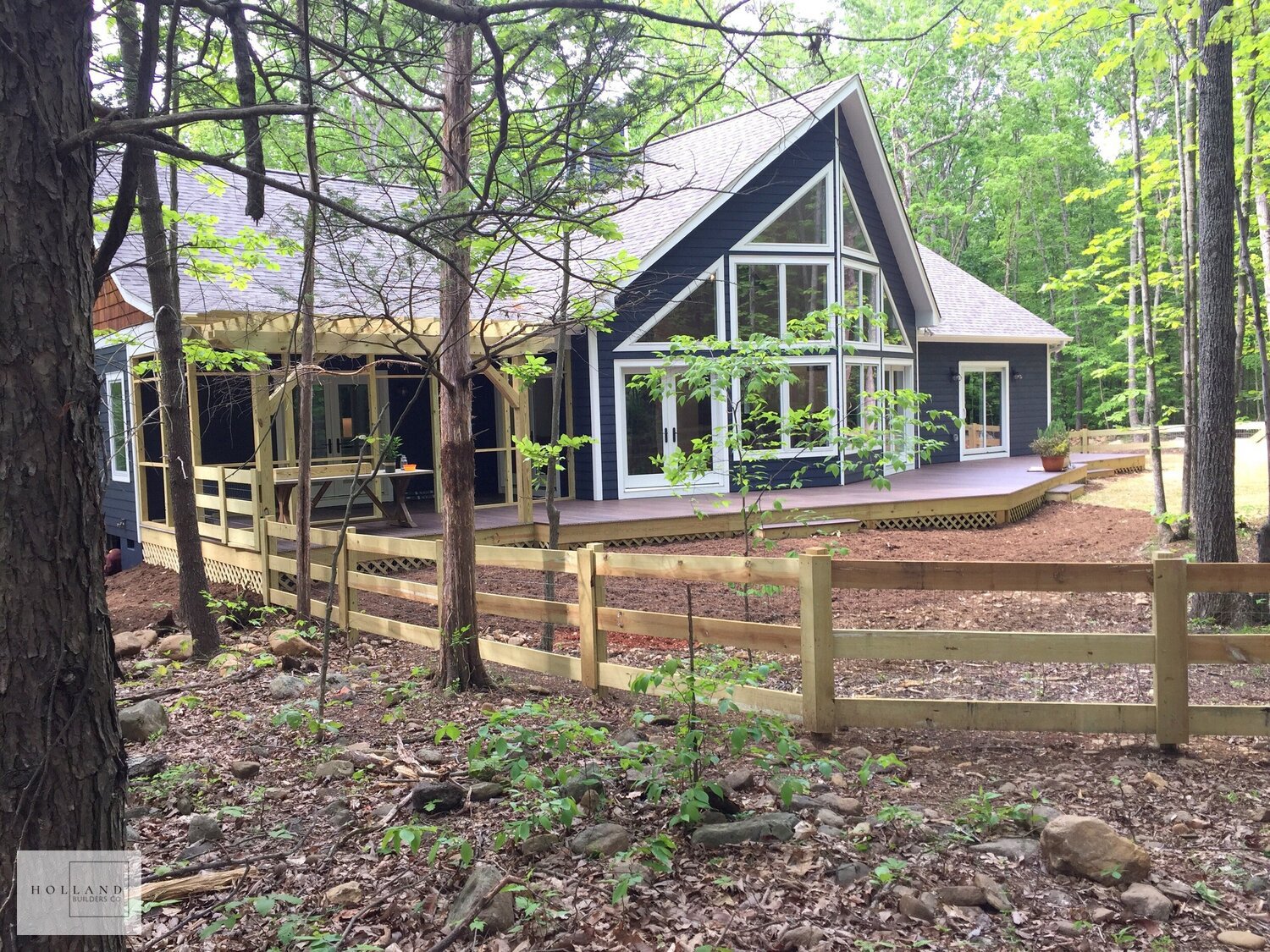
- A custom home built by Holland Builders Co., utilizing reclaimed wood from local sources while featuring high-efficiency appliances. An Orlando home builder’s project incorporating solar panels alongside native landscaping designed to minimize water usage.
These case studies illustrate real-world applications of sustainable principles successfully executed by experienced professionals.
FAQs
Q1: What is meant by 'sustainable construction'? A1: Sustainable construction refers to creating buildings using methods and resources that have minimal impact on the environment while maximizing energy efficiency throughout their life cycle.
Q2: How do I ensure my contractor uses green building practices? A2: Speak directly about your sustainability goals during initial consultations; ask about their experience with eco-friendly projects specifically tailored for Florida’s climate.
Q3: Are there any financial incentives available? A3: Yes! Many states offer tax credits or rebates for using green technologies or renewable resources during construction—check local regulations!
Q4: Can I retrofit my existing home with sustainable features? A4: Absolutely! Many existing homes can be retrofitted with energy-efficient windows or solar panels without major structural changes.

Q5: How do I know if a product is truly 'green'? A5: Look for certifications from recognized organizations; they assess products based on their environmental impact during production and use phases.
Q6: What role does insulation play in sustainability? A6: Insulation minimizes energy consumption by maintaining indoor temperatures efficiently—selecting high-quality insulation reduces heating/cooling needs significantly!
Conclusion
Choosing sustainable materials when partnering with Florida building contractors is not just an option; it's becoming a necessity as we all strive towards reducing our environmental footprints while still achieving our dream homes' design aesthetics!
By following this guide—researching thoroughly, asking critical questions, working closely with reputable contractors like Holland Builders Co., embracing innovative solutions—you'll be well-equipped to make informed choices about which sustainable options best fit your project needs!
Investing time into understanding how these elements come together ultimately leads not just toward beautiful homes but also contributes positively toward preserving our shared environment—one build at a time!